Key Factors of Plush Toy Fabric Selection
Before picking plush fabric for stuffed animals, you need to balance safety, tactile performance, durability and production cost. Four core criteria should be considered for every project.
1. Safety: Non-negotiable for plush & soft toys
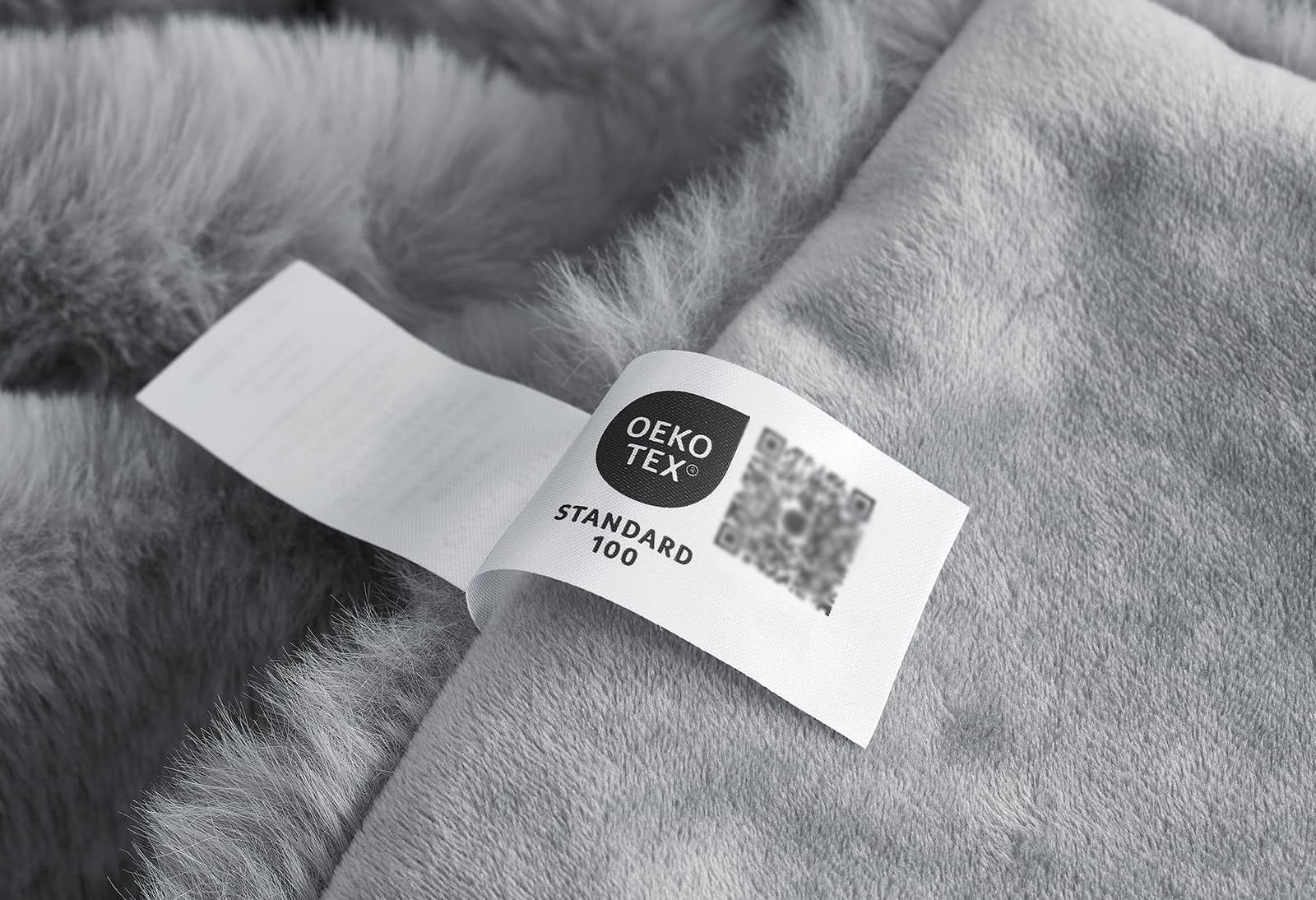
Many plush products target babies and young children. Always prioritize safe fabric for stuffed toys with OEKO‑TEX Standard 100 certification, free of formaldehyde, harmful fluorescent agents and strange chemical odors. Even adult‑oriented custom plush toy fabric should meet basic textile safety standards to avoid skin irritation risks.
2. Hand feel & visual presentation
Softness, fluffiness and surface texture create the first‑touch customer impression. High‑end gift‑grade plush needs cloud‑like fluffy touch; mass‑market promotional items focus on balanced softness and cost; complex character figures require fabric that keeps fine design details visible.
3. Durability & wash‑resistance
Real‑world stuffed animals go through repeated squeezing and washing. Check fabric performance on lint shedding, color fastness, anti‑pilling and shape retention. For kids’ toys, durable plush fabric for mass production will greatly reduce after‑sales complaints. You can follow our plush toy quality control checklist for full‑range material inspection.
4. Cost & design compatibility
Fabric cost shapes your final product price and profit margin. Large‑volume orders lean toward cost‑effective materials. Limited‑run IP licensed custom plush toy fabric can adopt premium material. Also check stretch and pile height: articulated dolls need stretch fabric; detailed cartoon characters need short‑pile material that will not cover facial embroidery details.
Common Plush Toy Fabric Types: Pros, Cons & Use Cases
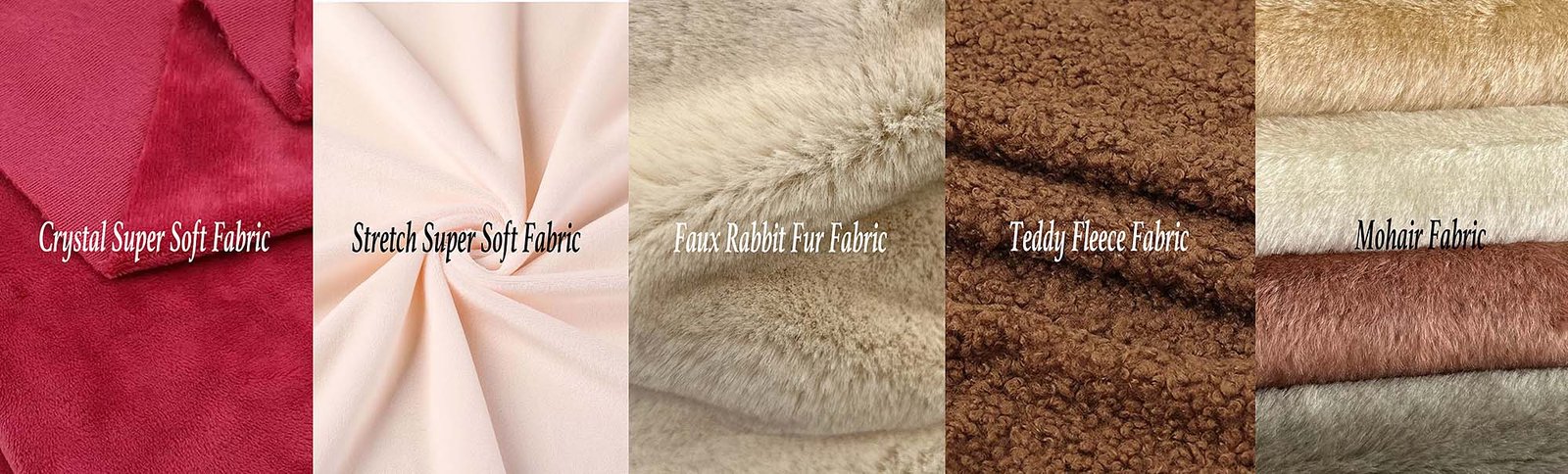
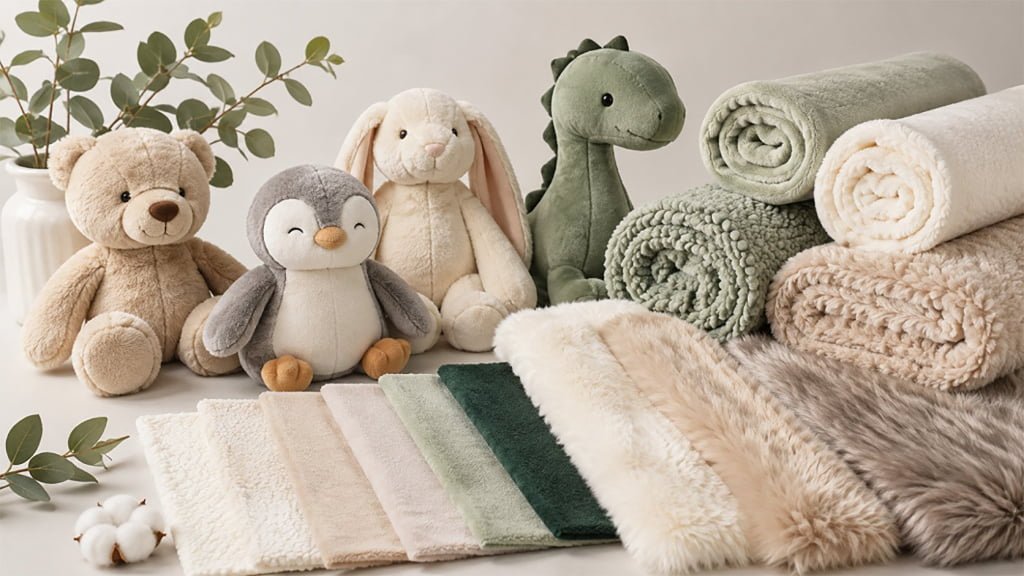
Most commercial plush toys use polyester‑based synthetic plush fabric. Natural fabrics serve premium collectible lines. Below are widely‑used plush toy fabric types for today’s toy industry.
Crystal Super Soft Fabric
Crystal super soft is the most widely‑used material for mass‑produced plush toys. Pile height ranges 1‑5 mm. This polyester fabric delivers smooth touch, rich color options and good cutting performance.
Pros: High cost‑efficiency, low shedding, huge color range, easy for high‑volume manufacturing.
Cons: Less premium feeling; minor pilling may appear after long‑time heavy use.
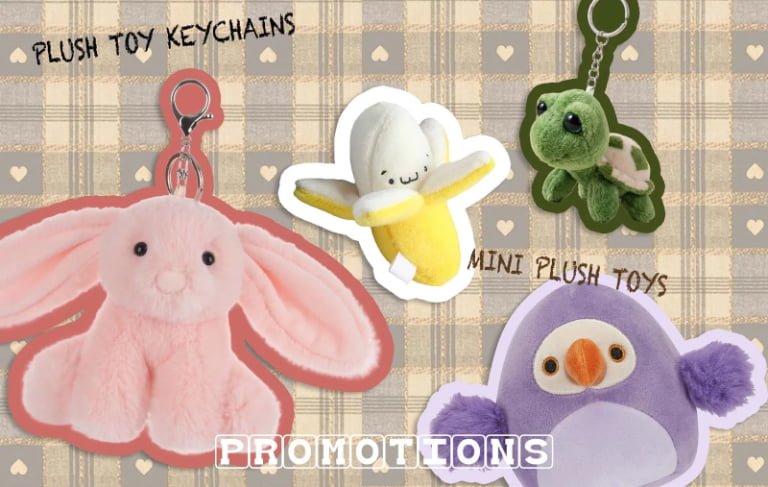
Best for: Mass‑market stuffed dolls, promotional giveaway plush, keychain plush, basic cushions, beginner DIY plush projects.
Spandex Super Soft / Stretch Super Soft
Built based on crystal super soft with added spandex component, this fabric brings excellent elasticity. It bounces back after squeezing and keeps its shape well.
Pros: Great stretch, skin‑friendly, resistant to deformation. Perfect for irregular shapes and articulated plush figures.
Cons: Slightly higher cost; slippery surface requires skilled cutting during production.
Best for: Baby soothing plush toys, hand puppets, articulated custom plush, irregular‑shaped soft toys.
Faux Rabbit Fur Fabric
Faux rabbit fur features long fluffy pile from 10 mm to 30 mm. It creates luxury cloud‑soft texture and premium visual effect. Two grades are available: short faux rabbit fur and long faux rabbit fur.
Pros: Ultra‑soft fluffy hand‑feel, high‑end appearance, excellent for gift‑oriented merchandise.
Cons: Higher material cost. Long pile may hide embroidery and print details; potential shedding during washing.
Best for: Premium gift plush, teddy bear lines, high‑end limited‑edition plush collections. Not recommended for figures with tiny facial features.
Teddy Fleece Fabric
Teddy fleece has compact short curly pile with vintage texture. It gains growing popularity in modern plush design.
Pros: High wear‑resistance, anti‑pilling, low lint, distinctive retro look.
Cons: Less fluffy compared to faux rabbit fur.
Best for: Vintage‑style stuffed animals, plush pet toys, plush doll clothing, minimalist plush cushions.
Mohair (Natural Wool Fabric)
Real mohair comes from Angora goat wool. It is a natural high‑end material for collectible plush. Great color fastness and noble luster.
Pros: Natural premium texture, anti‑pilling, good color retention, collectible value.
Cons: Very expensive, risk of shrinkage, complicated washing requirements, not suitable for mass‑volume orders.
Best for: Hand‑made collectible teddy bears, limited‑artisan plush pieces.
Specialty Plush Fabrics
Pearl fleece, rose fleece, mink‑like short plush serve niche needs. Pearl fleece has subtle gloss for small plush accessories; rose fleece carries unique grain for female‑targeted items. Select these specialty materials according to your art design.
Plush Toy Fabric Buying Pitfalls to Avoid
Even with best fabric for plush toys on paper, buyers often make these common mistakes during sample and bulk sourcing.
1. Do not only chase low price. Cheap uncertified plush fabric brings heavy shedding, bad odor and safety compliance risks, damaging brand reputation. Always request material certificates for baby‑targeted items.
2. Never judge fabric only from online photos. Always ask physical fabric swatches. Test softness, lint‑shedding, smell and stretch before bulk order. Screen whether pile height will cover your character’s facial details.
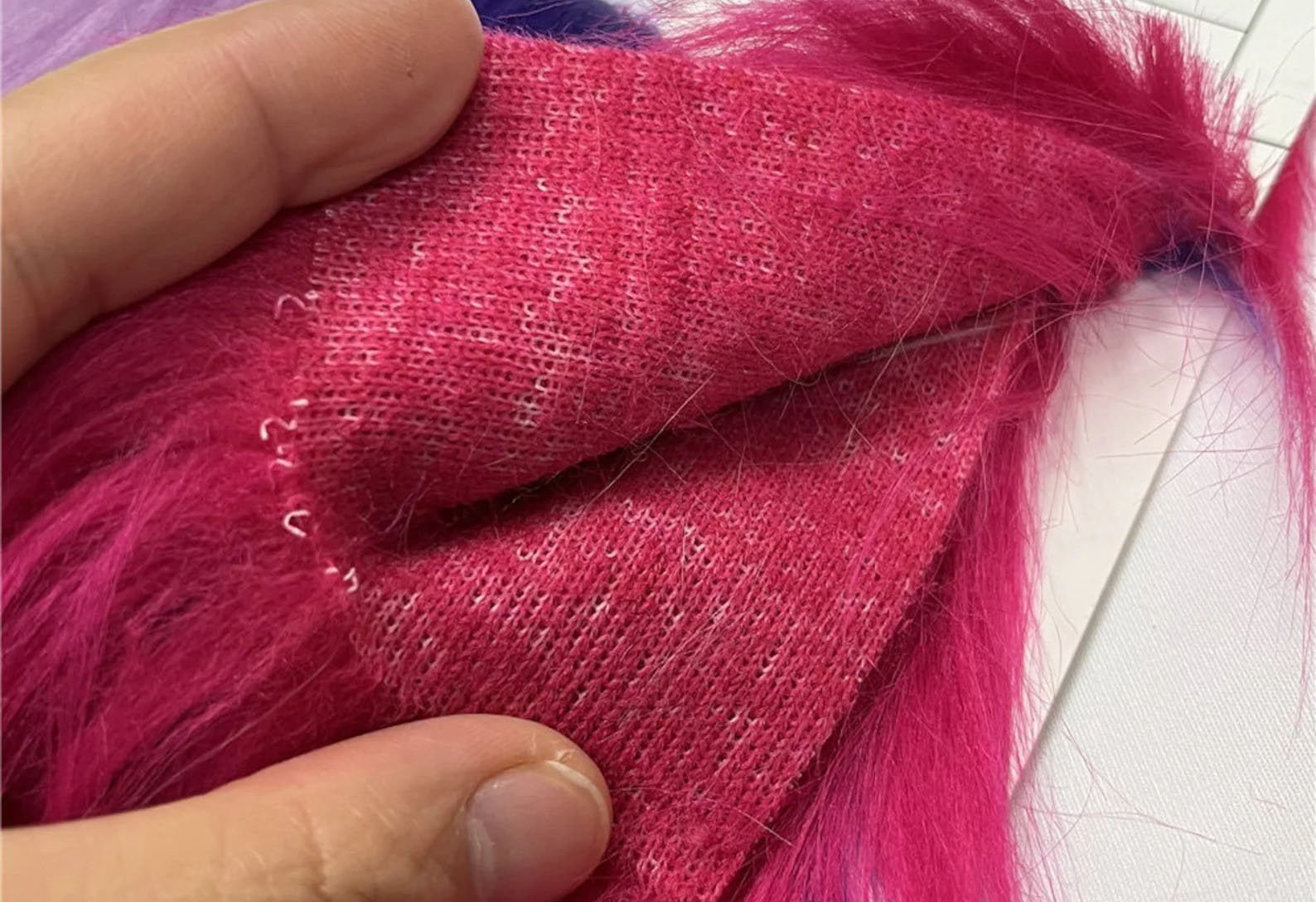
3. Match fabric with your plush design. Highly‑detailed cartoon figures should choose short‑pile fabric. Articulated dolls need stretch‑enhanced plush. Long‑pile faux rabbit fur works best for simple rounded characters.
4. Evaluate wash‑and‑care performance. Think of end‑user experience. Children’s plush should use fabrics with good color fastness and low shrinkage rate.
5. Do not over‑spec premium material for mass‑market positioning. Premium faux rabbit fur or mohair will push retail price too high for general consumer lines. Balance positioning, target audience and budget.
FAQ — Frequently Asked Questions
Q: What is the safest fabric for baby plush toys?
A: Prioritize OEKO‑TEX Standard 100 Class I certified short‑pile stretch super‑soft plush. Avoid extra‑long‑pile fabrics which create loose fiber choking hazard for infants.
Q: Which plush fabric works best for detailed custom plush characters?
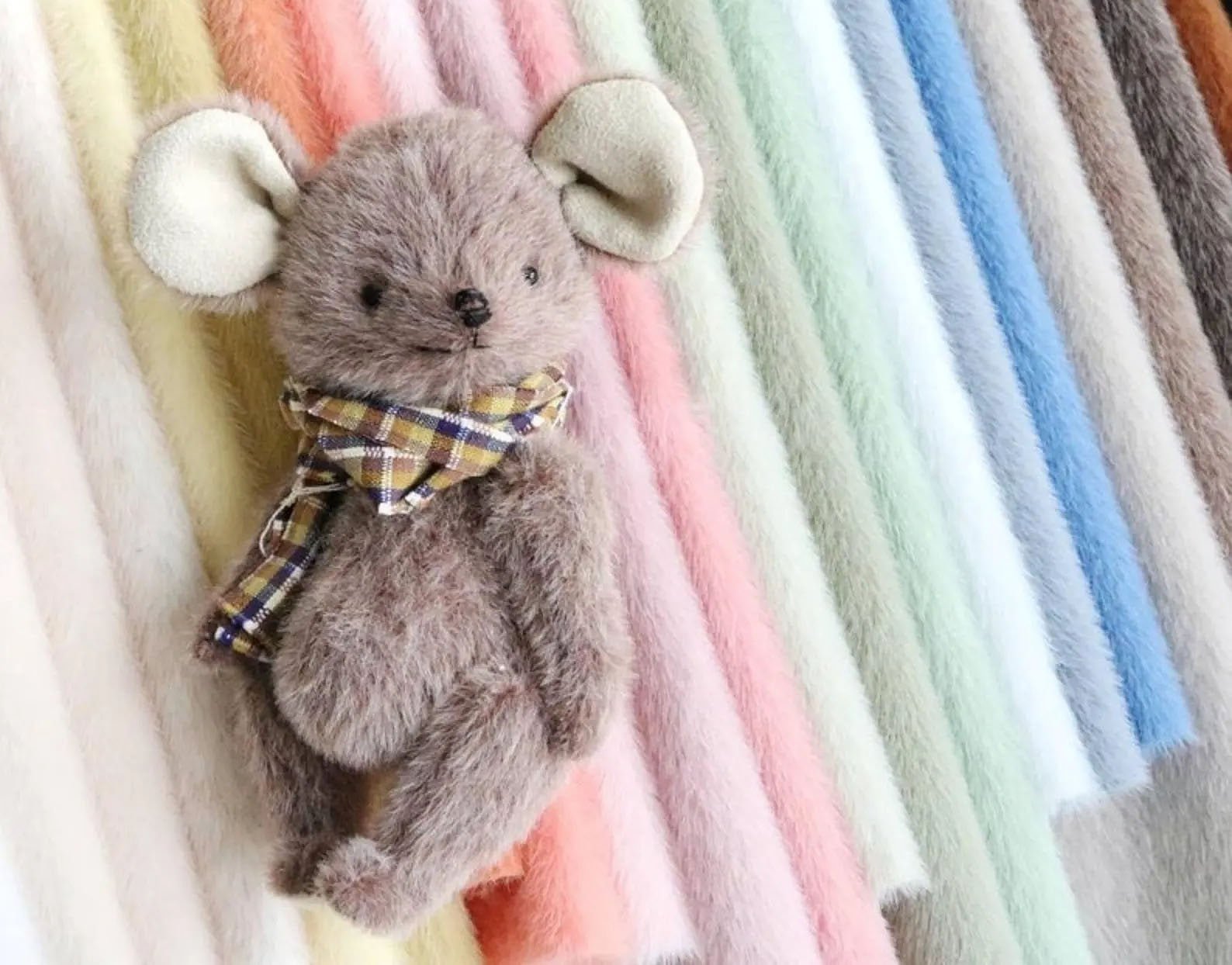
A: Crystal super‑soft or short‑pile spandex super soft. Short pile height ensures embroidery, printed eyes and facial features stay clearly visible. Long faux rabbit fur may obscure fine details.
Q: What plush fabric is most cost‑effective for large‑volume mass production?
A: Crystal super soft polyester plush. It balances stable quality, rich color selection and competitive material cost for B2B bulk plush orders.
Q: Does faux rabbit fur plush shed a lot?
A: Well‑processed faux rabbit fur has controllable lint. But compared with short‑pile crystal super soft, it still shows more loose fibers in first few washes. Not ideal for infant products.
Final Thoughts
There is no universal “perfect” plush toy fabric. The right plush toy fabric selection depends on your target audience, art design, safety requirement and production budget. In 2026, eco‑friendly, safe and well‑balanced cost‑performance plush fabric stays dominant for global stuffed‑animal market.
For B2B plush toy suppliers and custom plush sellers: picking matching plush fabric types improves product quality, reduces complaints and strengthens your competitive advantage in global market. If you want more reference, browse our plush toy material articles for sourcing tips.