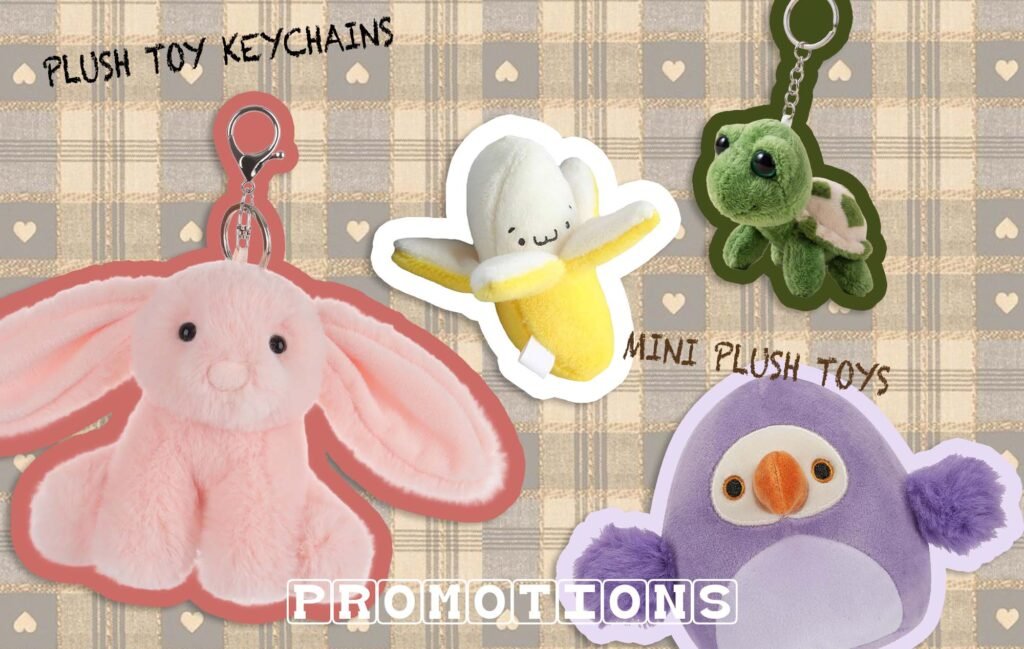
Mini plush toys and plush keychains solve a common brand problem: many promotions get noticed once and forgotten. When I work on mini plush toys, I see brands looking for something people can keep, carry, and show. That creates repeat exposure, stronger recall, and a product that feels more like brand merch than a disposable giveaway.
Brands choose mini plush toys and plush keychains for collectible promotions because these items combine portability, low gifting friction, and strong brand visibility.[^1] They work best when the design feels like a small piece of brand merchandise, not a random freebie. Their value comes from display appeal, daily carry use, and the chance to create a connected character series that people want to collect.
I have seen many projects shift direction after sampling. The first idea is often “make it cute and cheap.” The better projects focus on whether the item can live on a bag, desk, lanyard, or shelf. That is where collectible promotion starts to work.
1. Why Are Mini Plush Toys Suitable for Collectible Campaigns?
Mini plush toys often fail when brands treat them like oversized samples. I see disappointment when the goal is only low cost. I also see better results when the brand wants a small object with personality, repeat exposure, and a clear character story. That is where the format fits.
Mini plush toys are suitable for collectible campaigns because they are easy to keep, easy to display, and easy to turn into a series.[^2] Their small size lowers the barrier to ownership, while their tactile feel and character design make them more memorable than flat promotional items.
Mini plush toys work well in collectible promotions because they sit between a toy and a brand asset. In my experience, that balance matters. A buyer may start with one mascot, then expand into seasonal colors, event versions, or limited-edition drops. Each version creates another touchpoint.
Why the format performs in real campaigns
From a factory point of view, the strongest mini plush projects usually share three traits:
-
A clear character identity
The design has a face, shape, or symbol people remember quickly. -
A manageable size
The plush is small enough to collect but large enough to show detail. -
A repeatable production structure
The same base body can support multiple colorways or accessories.
I have noticed that brands like this format because it works across more than one channel. It can support:
- retail promotions
- trade show giveaways
- loyalty rewards
- event launches
- IP-based merch
- corporate gifting
Why “collectible” matters more than “cute”
Cute alone does not create retention. A plush becomes collectible when it has:
- series logic: variants, themes, or editions
- display value: it looks good on a shelf or desk
- brand-fit: it clearly belongs to the campaign
- sharing value: people want to post it or show it
That is why I always tell buyers to think beyond the first sample. A strong mini plush toy should leave room for future releases. If the silhouette is too generic, the collection loses momentum. If the decoration is too complicated, the production becomes unstable.
Common buyer mistakes I see
| Mistake | Result |
|---|---|
| Choosing a design that is too detailed for a tiny size | Facial features and logos lose clarity |
| Prioritizing low price over shape accuracy | The item feels cheap, not collectible |
| Skipping the series plan | The campaign ends after one release |
| Ignoring material texture | The plush lacks premium feel |
| Not testing packaging early | The final presentation feels weak |
Mini plush toys perform best when the campaign goal is retention, not just distribution. If the brand wants people to keep the item, then the design, hand-feel, and series strategy all matter.
2. What Sizes Work Best for Plush Keychains and Bag Charms?
A small plush that is too tiny becomes hard to recognize. A plush that is too large becomes inconvenient to carry. I see this sizing question in nearly every plush keychain project. The problem is not just fit. It is visibility, usability, and the way the item lives in daily routines.
The best sizes for plush keychains and bag charms are usually compact enough for daily carry, but large enough to show a character face and logo clearly.[^3] In many projects, the sweet spot is around 8–12 cm for bag charms and slightly smaller for keychain-style plush items, depending on the design.
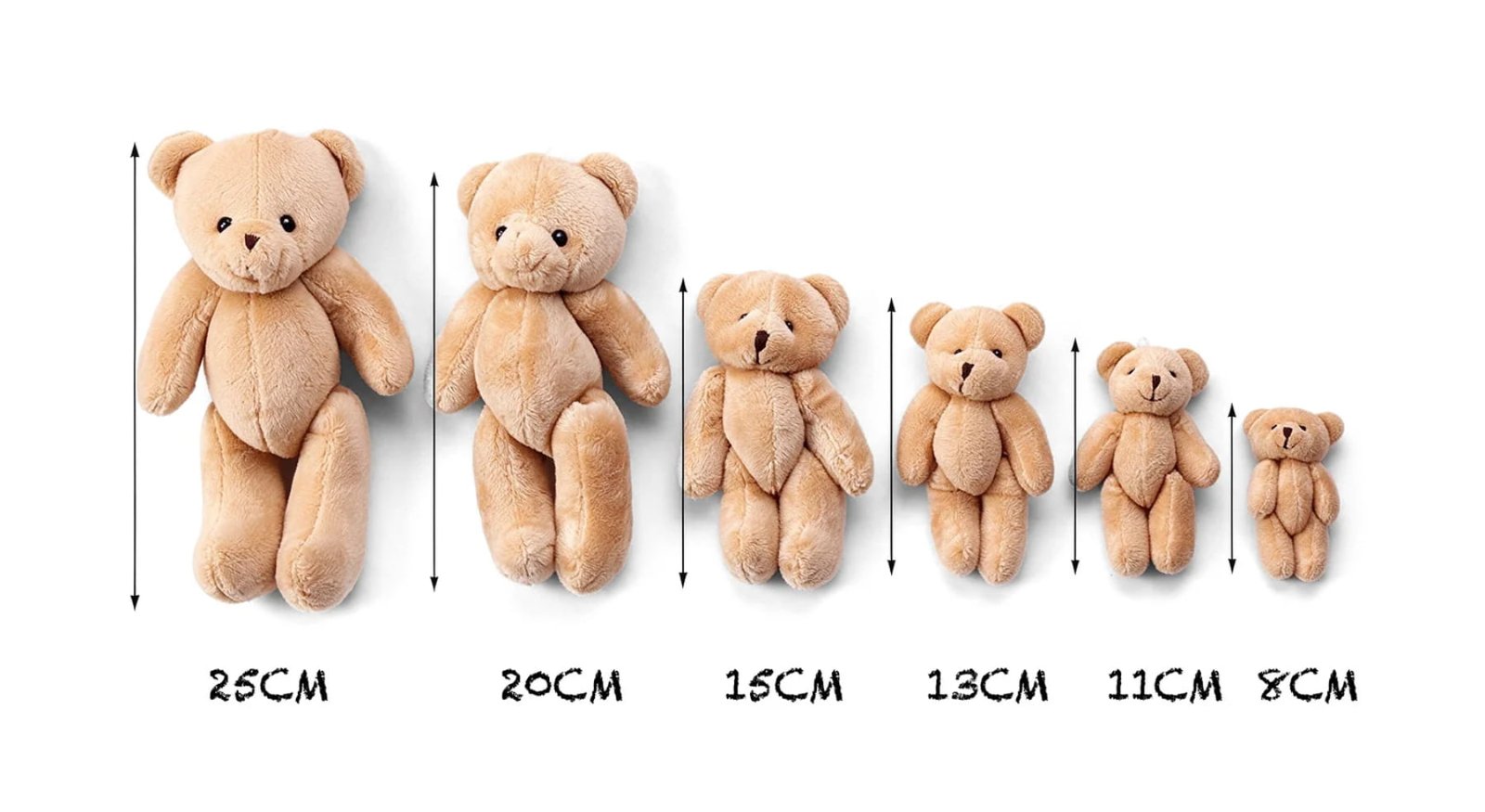
I do not treat size as a fixed rule. I treat it as a balance between form and function. The right size depends on whether the buyer wants a soft accessory, a brand statement, or a collectible item that can hang on a bag.
Practical size comparison
| Use case | Typical size range | Best for |
|---|---|---|
| Keychain plush | 6–10 cm | Gifts, event handouts, light carry use |
| Bag charm plush | 8–12 cm | Fashion bags, retail merch, collectible series |
| Desk/display mini plush | 10–15 cm | Shelf display, branded characters, premium giveaways |
How size affects production
Size influences more than appearance. It also affects:
- stitch clarity
- logo readability
- fill density
- seam strength
- attachment placement
- unit packaging
In sampling, I often see that a design looks great at 12 cm but loses detail at 7 cm. The face may become too compressed, or the embroidery may crowd the surface. When that happens, I suggest simplifying the pattern instead of forcing the size.
What buyers should evaluate
If I were evaluating plush keychains for a promotion, I would check:
- whether the eyes and mouth remain readable at arm’s length
- whether the brand mark still looks clean
- whether the item swings well on a bag
- whether the filling feels balanced, not lopsided
- whether the hook or ring adds too much weight
Why portability drives repeat exposure
The real value of a plush keychain is not just the first impression. It is the second, third, and tenth time someone sees it. A bag charm moves with the user. It appears in offices, schools, trains, airports, and cafés. That repeated exposure is what turns a small plush into a brand reminder.[^4]
So, when I discuss size with buyers, I focus on two questions:
- Will the item still look like the character at this scale?
- Will the user actually want to carry it every day?
If the answer to both is yes, the size is probably right.
3. How Can Brands Develop a Coordinated Character Series?
A single plush can create interest. A coordinated character series creates collecting behavior.[^5] That shift matters a lot in promotional work because a series gives the brand more than one moment. It creates continuity, which is often what keeps people engaged after the campaign launch.
Brands can develop a coordinated character series by keeping the body language, color system, and brand story consistent across each version. A strong series shares one identity framework while allowing small differences in pose, accessory, season, or expression.[^6]
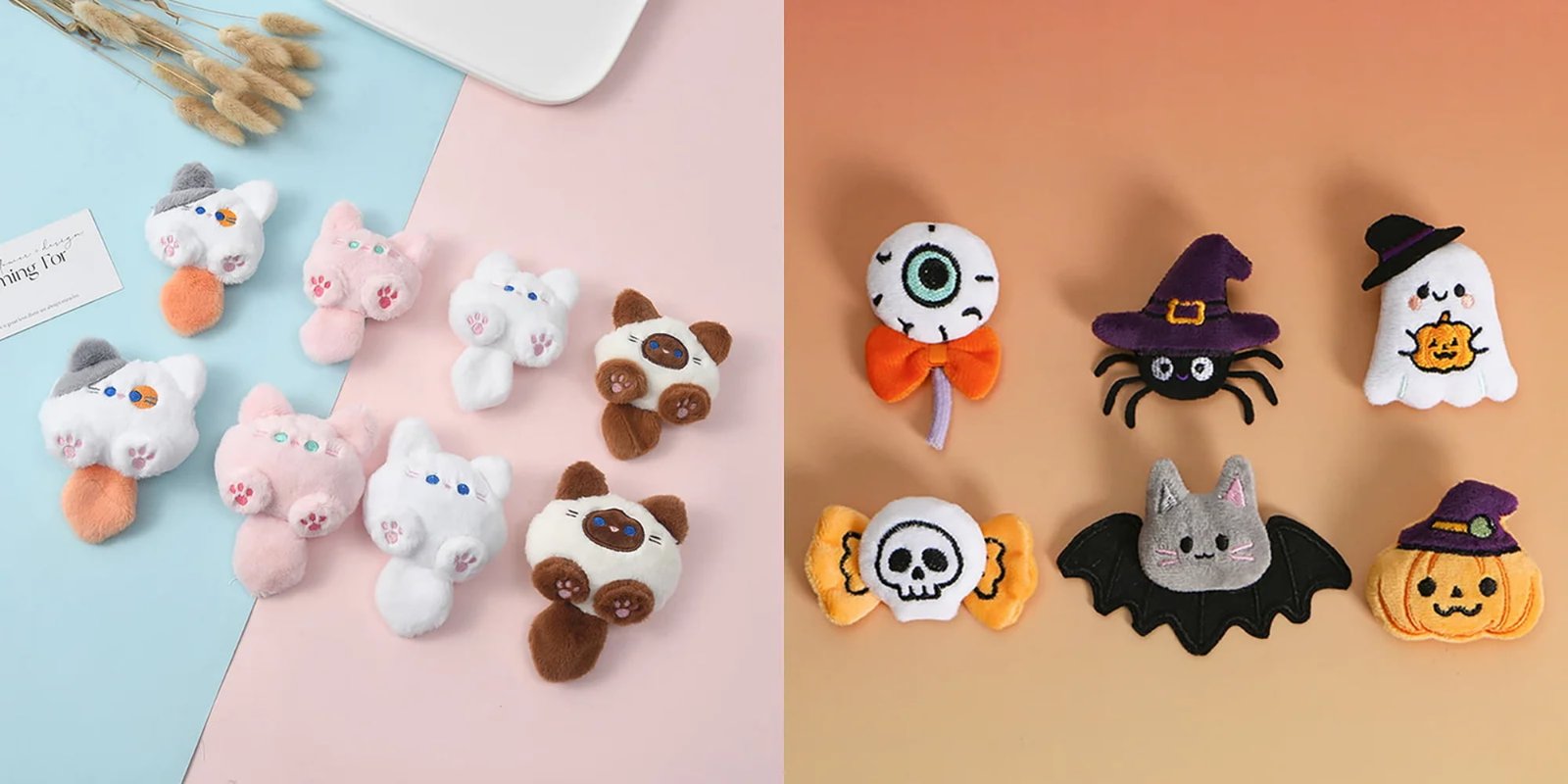
I have seen this work well when brands plan the collection before the first sample. They do not design one item in isolation. They think about the whole family. That approach saves time later and helps the collection feel intentional.
Core elements of a series
A coordinated series usually needs:
- one common character shape
- shared facial language
- consistent fabric direction
- aligned color palette
- repeatable branding placement
- variation logic
Good series structures I have seen
1. Seasonal series
The base character stays the same, but the outfit or colors change by season.
Example: spring pastel, summer bright, autumn warm, winter festive.
2. Role-based series
Each version represents a different function, mood, or job.
Example: happy, sleepy, sporty, travel, celebration.
3. IP extension series
The plush follows an existing mascot or character system.
This works well when the brand already has a visual identity.
4. Event series
The collection changes by campaign or launch.
This fits trade shows, store openings, anniversaries, and product launches.
Why consistency matters in factory production
From a production angle, consistency helps with:
- sample approval
- pattern reuse
- material control
- embroidery placement
- QC comparison
- packaging standardization
It also reduces the risk that one version feels like a different product. I have seen brand teams approve five versions separately, then realize the set looks disconnected when placed together. The issue is usually not quality. It is design logic.
A simple planning method
I often recommend this sequence:
- Define the master character.
- Decide what never changes.
- Decide what can change.
- Build a color and accessory system.
- Review the full set together before production.
That method keeps the collection coherent. It also makes future reorders easier. When a buyer plans for series growth, the plush stops being a one-off giveaway and starts becoming a brand asset.
4. Which Attachment and Packaging Options Should Buyers Compare?
A plush item can look complete in the sample room and still feel wrong in the hand if the attachment or packaging choice is off. I have seen good designs lose their appeal because the clip felt cheap or the packaging did not match the campaign tone. These details matter more than many buyers expect.
Buyers should compare attachment and packaging options based on use case, durability, presentation, and brand experience. The right choice depends on whether the product is meant for bags, keys, retail shelves, mailers, or event handouts.[^7]

Attachment options to compare
| Attachment type | Best use | Notes |
|---|---|---|
| Metal key ring | Keychain use | Simple, familiar, durable |
| Lobster clasp | Bag charm use | Easy to attach and remove |
| Plastic clip | Light promotional use | Lower cost, lighter feel |
| Elastic loop | Hang tag style | Good for some character designs |
| Custom brand clip | Premium campaigns | Stronger brand identity |
What I check in samples
I always look at:
- whether the attachment weight matches the plush size
- whether the connection point is reinforced
- whether the plush hangs straight
- whether the metal finish matches the brand tone
- whether the attachment scratches or distorts the fabric
Packaging options that change perceived value
Packaging is not only protection. It is part of the promotion.[^8]
Common choices include:
- poly bag for basic distribution
- header card for retail-style presentation
- window box for premium display
- hang tag for branded storytelling
- gift box for higher perceived value
Packaging comparison table
| Packaging | Cost level | Brand impact | Best for |
|---|---|---|---|
| Poly bag | Low | Basic | Mass giveaways |
| Header card | Low–medium | Better shelf presence | Retail promotions |
| Hang tag | Low–medium | Good storytelling | Brand campaigns |
| Window box | Medium–high | Strong premium feel | Collectible sets |
| Gift box | High | Highest presentation value | VIP or corporate gifts |
Why packaging should match the collection goal
If the campaign aims for collectibility, the package should support that idea. A plain bag can work for simple handouts. But a series usually looks stronger in a package that shows the character clearly and protects the shape.
I also remind buyers that packaging affects carton efficiency, freight volume, and warehouse handling. A fancy box can look great, but it can also raise cost and complexity. So I always ask clients to define the priority first:
- maximum distribution
- premium gifting
- retail presentation
- mailer efficiency
The answer guides both attachment and packaging.
5. What Should Brands Confirm Before Ordering a Promotional Plush Collection?
I have seen strong concepts weaken because a few practical checks were missed. The sample looked good, but the bulk order exposed problems in color, size, trim, or packaging. That risk is avoidable when the buyer confirms the right details early.
Before ordering a promotional plush collection, brands should confirm design accuracy, material choices, safety requirements, packaging, lead time, and approval standards. They should also verify supplier documents and ask for sample-based confirmation before bulk production begins.

Key items to confirm
-
Artwork and proportion
- logo position
- face shape
- embroidery size
- accessory placement
-
Material and feel
- plush fabric type
- filling density
- surface texture
- color stability
-
Production tolerance
- size variation
- stitching consistency
- attachment strength
-
Compliance documents
- CE
- EN71
- ASTM F963
- CPSIA
- REACH
- OEKO-TEX where relevant
I always tell buyers to verify certificates and test reports as documents, not assumptions. The right standard depends on market and application, and a qualified professional should confirm fit for the final use case.
Questions I ask during quotation and sampling
- Can the design be simplified without losing identity?
- Which parts will be embroidered, printed, or stitched?
- What is the smallest size that still keeps the face clear?
- How many sample rounds are needed?
- What is the expected bulk lead time after approval?
- How will QC handle color, sewing, and packaging checks?
Why sample approval matters so much
For collectible promotions, sample quality sets the standard. If the first sample is weak, the full order rarely feels strong. In my experience, brands that request one clear approval sample, one pre-production check, and one final bulk QC stage reduce avoidable surprises.
A practical buyer checklist
- Confirm final size and shape
- Lock fabric and filling choices
- Approve artwork placement
- Review attachment strength
- Confirm packaging layout
- Ask for compliance documents
- Set inspection criteria before production
- Align the shipping date with the campaign launch
Frequently Asked Questions
Are mini plush toys better than regular plush toys for promotions?
Mini plush toys are often better for promotions when portability and repeat exposure matter. They are easier to carry, easier to collect, and more suitable for bag charms, desk display, and event gifting. Regular plush toys work better when the goal is a larger gift or higher perceived value.
What makes plush keychains feel more premium?
Premium feel usually comes from better fabric texture, clean embroidery, balanced filling, strong attachments, and thoughtful packaging. A plush keychain feels more collectible when it looks like brand merchandise instead of a low-cost giveaway.
Can brands use the same character for both mini plush toys and bag charms?
Yes. I often see brands use one character across both formats. The key is to adjust proportions, attachments, and detail levels for each size. The same character can support multiple use cases if the design system is planned early.
What is the biggest risk in collectible plush promotions?
The biggest risk is weak design consistency. If the series does not feel connected, people do not see it as a collection. In production, the other major risks are poor sample approval, unclear artwork, and packaging that does not match the campaign goal.
Should buyers ask for compliance documents before ordering?
Yes. Buyers should request the relevant compliance documents early and verify them for the target market. The right requirements can vary by region and product use, so I recommend professional review for any application-specific decision.
Conclusion
Brands choose mini plush toys and plush keychains because they can do more than look cute. They can create repeat exposure, support collecting behavior, and carry a brand story into daily life. The best results come from strong design recall, careful size planning, coordinated series thinking, and practical checks on attachments, packaging, and compliance. If you are planning a collectible promotion, I can help you develop the right custom plush solution for your campaign.
[^1]: "Shifting loyalty: Study examines customer behavior when retail ...", https://mendoza.nd.edu/news/shifting-loyalty-study-examines-customer-behavior-when-retail-rewards-programs-go-mobile/. Research on promotional merchandise can support the idea that portable, easy-to-give, and visibly carried items may receive more use and exposure, although this is contextual rather than a product-specific proof. Evidence role: general_support; source type: research. Supports: Research on portability, ease of gifting, and visibility as factors in branded merchandise effectiveness.. Scope note: Does not directly establish mini plush toys as the cause. [^2]: "[PDF] Exploring Consumer Collecting Behavior: A Conceptual Model and ...", https://epublications.marquette.edu/cgi/viewcontent.cgi?article=1277&context=market_fac. Academic work on collecting behavior and display value can contextualize why small, serial products may be kept and arranged as collections, though it does not directly verify this for mini plush toys. Evidence role: general_support; source type: paper. Supports: Studies of collecting behavior and display-oriented objects that help explain why small, serial items can encourage keeping and collecting.. Scope note: Contextual support only. [^3]: "[PDF] A STUDY OF THE READABILITY OF ON-SCREEN TEXT", https://vtechworks.lib.vt.edu/server/api/core/bitstreams/d2aff585-f8a5-4152-b9c8-a177f84a3979/content. Product-design research can support the mechanism that small items must balance portability with legibility and usability; the optimal dimensions vary by design and use context. Evidence role: mechanism; source type: paper. Supports: Research on size, readability, and usability tradeoffs for small carried objects.. Scope note: General design principle, not a direct standard for plush keychains. [^4]: "[PDF] The Role of Paid and Earned Media in Building Entertainment Brands", https://marketing.wharton.upenn.edu/wp-content/uploads/2016/10/Paper-Lovett-Mitchell-04-03-2014-Entertainment-Brands-26.pdf. Research on repeated exposure and memory provides a plausible mechanism for why regularly seen branded objects can function as reminders, although the effect is indirect and context-dependent. Evidence role: mechanism; source type: paper. Supports: Research linking repeated exposure to memory and brand recognition in advertising or branded-object contexts.. Scope note: Mechanistic support rather than direct evidence for plush keychains. [^5]: "What marketers should understand about collectors—beyond ...", https://newsroom.haas.berkeley.edu/research/what-marketers-should-understand-about-collectors-beyond-hoarders-and-hobbyists/. Studies of collecting behavior and serial design support the broader claim that sets and variants can encourage acquisition beyond a single item, though the effect depends on audience and presentation. Evidence role: general_support; source type: paper. Supports: Research on collecting behavior and serial product design that could support the idea that series structure encourages completion behavior.. Scope note: Contextual support, not direct proof for plush campaigns. [^6]: "Building Brand Consistency Across Channels", https://marketingcommunications.wvu.edu/professional-development/marketing-communications-today/marketing-communications-today-blog/2025/02/12/building-brand-consistency-across-channels. Educational or research sources on brand identity and product-line design can support the notion that series should preserve core identifiers while varying secondary features, though they may not address plush products specifically. Evidence role: general_support; source type: education. Supports: Sources on design consistency and brand identity across product variants.. Scope note: General design guidance rather than product-specific proof. [^7]: "A case study exploring the packaging design management process ...", https://www.academia.edu/5082265/A_case_study_exploring_the_packaging_design_management_process_within_a_UK_food_retailer. Packaging research can support the contextual claim that presentation and attachment choices should match the product’s distribution and use environment, though the specific options vary by campaign. Evidence role: general_support; source type: research. Supports: Research on packaging and product presentation by distribution channel or retail context.. Scope note: Contextual rather than direct support for plush items. [^8]: "(PDF) Impact of Product Packaging on Consumer Perception and ...", https://www.academia.edu/50430283/Impact_of_Product_Packaging_on_Consumer_Perception_and_Purchase_Intention. Packaging studies support the broader claim that packaging can shape consumer perception and brand communication in addition to protecting the product, although the magnitude of the effect depends on design and audience. Evidence role: general_support; source type: paper. Supports: Research showing packaging influences perceived value, attention, or brand communication.. Scope note: General support, not specific to plush promotions. [^9]: "Product & Merchandising Management - College Of Business", https://business.oregonstate.edu/programs/undergraduate/product-merchandising-management. Sources on product-line management can support the contextual idea that planned, standardized execution usually produces more coherent branded merchandise than ad hoc giveaway production. Evidence role: general_support; source type: institution. Supports: Institutional or academic sources on product-line management, consistency, and planned merchandising.. Scope note: Contextual support rather than direct evidence for plush collections.